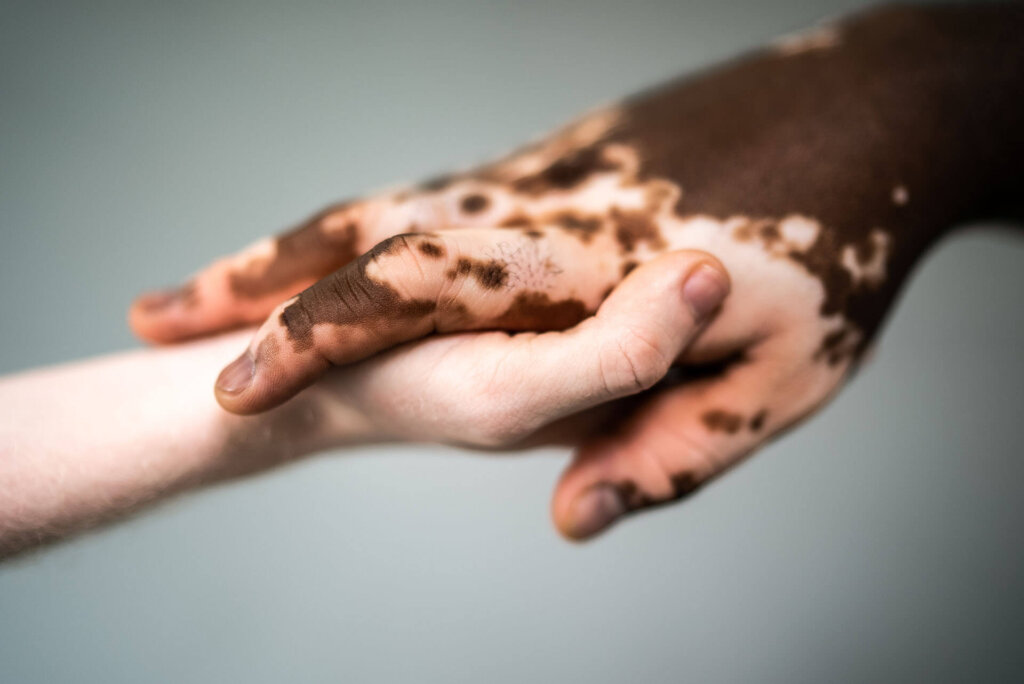
Receiving a vitiligo diagnosis can be a confusing and worrying time. The uncertainty of what is happening to your skin, the anxiety about the reaction of others and decisions about whether or not to seek treatment can be overwhelming.
We spoke to CLINUVEL Ambassador, Natalie Ambersley, who has lived with vitiligo since she was a child, about how to navigate those complex early days of diagnosis. The first thing she iterates is that you should not panic. “I know that’s easier said than done,” Natalie says, but she encourages people to research the condition and seek advice from a dermatologist before deciding on treatment options. While there are treatment options available, these may not be suitable or effective for everyone. There are also unregulated ‘treatments’ or ‘miracle creams’ that people claim can cure the condition, but these are not medically approved and could do more harm than good. Working with your dermatologist can help you decide the best course of action for you, when the time is right.
Community is also something that Natalie believes is incredibly important when in the early days of diagnosis. Connecting with the vitiligo community she says can, “ease feelings of isolation, answer your questions and offer reassurance.” Natalie adds that sharing your feelings with family and friends can help “lighten the emotional load”, and also helps them understand what you’re going through. Social media can be a great place to find this community and connect with others around the world who have experienced the same thing. These people are share impactful stories about their challenges and how they’ve overcome feelings of anxiety and low confidence. Offline, there are many charities and organisations who provide in person support groups and are working to raise awareness, educate and empower those living with vitiligo.
While having a support system and connecting with the vitiligo community will help immensely when dealing with your diagnosis, there will still be difficult days. Feeling low when coming to terms with a visible skin condition is very common. Natalie says that it’s important to be kind to yourself as much as you can. She says, “things like positive affirmations really help with reminding ourselves of our strength” along with reaching out to someone you can confide in, who will listen and give you the space to talk about how you are feeling. You should also speak to your healthcare provider, if you are feeling particularly low or anxious as they can refer you for talking therapies or other mental health support to help you on your journey.
The main thing to remember is that everyone’s vitiligo journey is different. There is no “one size fits all” approach and each person comes to terms with a diagnosis in their own time. What is most important is that you seek help when needed, educate yourself about your condition and be kind to yourself.
You can find a list of vitiligo advocacy groups and charities here.
If you or a loved one has just learned they have vitiligo, join us to connect with the community and exchange stories and knowledge.